
Discover how a fully integrated experiential marketing agency brings strategy, execution, and digital innovation together under one roof. This guide breaks down the pros, cons, and key considerations to help you decide if an all-in-one partner is the smartest move for your next brand activation.

Ever wonder what really goes on inside a fully integrated experiential marketing agency? From the outside, it can look like a whirlwind of campaign launches, slick branding decks, and team huddles over coffee. But behind every successful campaign is a carefully choreographed operation, one that blends creativity, strategy, data, logistics, and boots-on-the-ground execution into a single, seamless system.
At Attack! Marketing, we’ve lived in the world of integrated experiential marketing for years, balancing field teams, creative direction, digital touchpoints, and real-time data to deliver full-funnel experiences. And while the term “fully integrated” gets tossed around a lot, very few actually understand what it means or how it works in practice.
This guide is your inside look at what fully integrated agencies actually do. From strategy and creative to activation and analytics, we’re breaking down how each piece connects and why having everything under one roof matters more than ever in today’s fragmented marketing world.
Whether you're a brand leader looking for more cohesive campaigns or just curious about how the best agencies operate behind the scenes, this is your roadmap.
A fully integrated experiential marketing agency brings everything together – strategy, creative, production, staffing, execution, and post-event analysis, all under a single umbrella.
Instead of outsourcing parts of a campaign or focusing on just one piece of the puzzle (like brand ambassadors or logistics), experiential marketing services exist to connect every moving part to deliver a smooth end-to-end experience.
The ultimate goal is to create smarter, more cohesive brand engagements that feel effortless to the consumer, but are backed by serious coordination behind the scenes.
When a brand partners with a fully integrated experiential marketing agency, it’s tapping into a full spectrum of services where each one plays a role in bringing an activation to life. From the earliest brainstorming session to the final campaign report, these agencies function like a well-coordinated production team. Below is a breakdown of the essential components that power this kind of operation.
Every strong activation starts with a solid experiential marketing strategy. That means digging into a brand’s goals, understanding the audience it’s trying to reach, and taking the current market situation into account. Once the foundation is clear, the agency develops creative concepts tailored to the brand’s identity.
Yes, it’s important that those ideas stand out, but they should also fit into the bigger picture of the brand’s marketing ecosystem. Working with an integrated agency at this phase means that the creative isn’t developed in a silo, but it’s built to work in harmony with digital, social, and even traditional media channels from the very beginning.
This is where the strategy turns into something tangible. The brand activation agency designs and executes all kinds of experiences, from small in-store demos and sampling or grassroots guerrilla marketing activations to large-scale events like pop-ups, trade shows, and cross-country mobile tours.
It also brings that same energy into the digital space, producing hybrid or fully virtual experiences like live-streamed product launches and interactive online events.
Once the idea is locked in, the heavy lifting begins. This part of the process involves everything from sourcing venues and handling permits to building out branded environments and displays.
These integrated agencies are also responsible for hiring and training the people who’ll represent the brand, like ambassadors, field teams, and other staff members. It’s a high-touch, detail-driven phase, and it’s where the agency’s behind-the-scenes muscle really shows.
Experiential campaigns are increasingly powered by tech, and integrated agencies know how to weave it in without making it feel forced. Whether it’s using AR or VR for immersive storytelling, QR codes and NFC for quick access to digital content, or interactive touchpoints that collect real-time data, the agency uses technology to boost the experience, not distract people from it.
The goal is to create smart, frictionless interactions that feel intuitive and add value for both the brand and the consumer.
Great experiences are worth sharing, and integrated agencies make sure they are shared. From capturing high-quality content during activations to collaborating with influencers and building strategies for user-generated content, they turn live moments into digital momentum.
This content extends the reach of the event, but it also fuels the brand’s wider social and digital campaigns to keep the conversation going long after the experience ends.
End-to-end experiential marketing goes beyond the ‘’wow factor’’ – you have to be sure it performs well. That’s why fully integrated agencies build measurement into every campaign.
They track meaningful KPIs like engagement rates, social impressions, conversions, and even in-store sales lift, depending on the activation’s goals. More importantly, they deliver clear reporting and insights that help brands understand what worked, what didn’t, and how to do it better next time.
Let’s say a new plant-based beverage brand is preparing to launch in several major U.S. cities. Rather than piecing together different vendors for branding, then an event marketing agency for execution, another one for digital promotion, and even one for staffing, they partner with a fully integrated experiential agency to handle everything from the ground up.
The agency kicks things off by developing a core campaign concept: a national wellness tour centered around a mobile tasting experience. The idea is to have a branded vehicle that travels to parks, fitness centers, and farmers markets, offering free samples and interactive wellness activities like guided meditation, hydration challenges, and quick nutrition consults.
The activation itself is custom-built, from the vehicle wrap and branded signage to the layout of the pop-up space. Brand ambassadors are carefully trained to engage with different types of consumers, since their role is not just handing out samples, but also answering questions and collecting feedback.
Technology plays a big part, too. Visitors will be able to scan QR codes to immediately order online or follow the brand on social. Some will take part in social challenges or share photos using a campaign hashtag, which will help the brand build traction digitally.
To extend the reach of this live event marketing activation, the agency also coordinates influencer partnerships and targeted digital ads that align with tour stops. Even those who never visit in person feel connected to the activation.
Throughout the tour, the agency will make sure to track key metrics like product trials, online conversions, and social engagement, and then deliver a full performance report with actionable insights the brand can use moving forward.
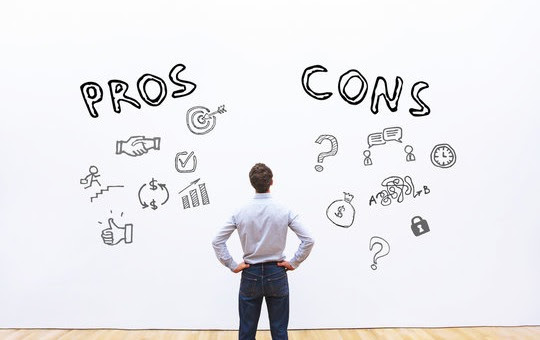
Like any strategic partner, an integrated agency brings both advantages and trade-offs. Let’s start by exploring the benefits that make these agencies an appealing choice for brands looking to build deeper consumer connections.
Working with one agency that handles everything, from creative direction to logistics, helps simplify the process and reduce fragmentation. You don’t have to coordinate between five different vendors or worry about how to create a brand experience where each segment is aligned. Everything flows through a single team that understands the broader campaign goals and is equipped to bring them to life from beginning to end.
For instance, a brand launching a national sampling tour would want to rely on one agency to design the vehicle wrap, recruit brand ambassadors, plan routes, produce content, and manage data tracking, without having to outsource a single piece.
It’s much easier to maintain consistency across every platform and interaction when a campaign is developed under one roof. Whether it’s live brand experiences, paid social ads, or branded content, the story always stays coherent. This is a big factor in strengthening consumer trust and reinforcing the brand’s personality across different channels.
Picture a new energy drink promoted through live demos, influencer content, and social videos. Naturally, they should all be tied together visually and tonally, and that’s only possible when one team crafts every element.
It might seem more expensive at first, but fully integrated agencies often prove to be more cost-effective in the long run. Combining services into one scope reduces administrative costs and limits the duplication of efforts. Plus, these agencies tend to have strong vendor relationships, which helps secure better pricing for things like event production, custom builds, or branded materials.
A brand looking to activate at several festivals, for example, might end up saving significantly by avoiding multiple markups from separate vendors and by reducing the hours spent coordinating moving parts.
The fully integrated agencies often have the tools and expertise to track performance as the campaign unfolds. That means you can make adjustments quickly based on real consumer behavior. The engagement data you get can shape the staffing strategies, shift the messaging, or fine-tune the interactions to get better results while the activation is still live.
For instance, a brand at a music festival might notice that one version of its CTA on a QR code is generating more scans than another. They can easily use that insight to adjust signage or ambassador talking points on the spot.
The best experiential marketing agencies always stay on top of what’s new in the field. Whether it’s AR filters, connected packaging, or hybrid events, they bring fresh thinking and tech-driven experiences that help brands stand out. They don’t use these tools just for flash – they do careful strategic selection in order to add value to the interaction and encourage longer-term engagement.
Let’s say a spirits brand wants to create both a memorable experience and shareable digital content. A smart agency would introduce an app-based cocktail builder at a live event, letting guests create a drink based on their preferences and share the recipe online. That’s how they would blend the personal engagement with organic brand reach.
As strong as the benefits may be, fully integrated experiential agencies also come with some cons depending on scale, budget, and internal resources. These aren’t deal-breakers, but they’re important to weigh, especially depending on your brand’s goals and specific situation.
Fully integrated agencies usually come with steeper up-front fees. Since they deliver across creative, strategy, staffing, production, reporting, and more, the retainers or project costs can be significantly higher than what you’d pay to assemble vendors à la carte. That full-service approach might be overkill for brands with a limited scope or single-service need.
If you’re just looking to staff a handful of brand ambassadors for a few in-store demos, for instance, it’s probably more cost-effective to work directly with a staffing or field marketing agency than to engage a firm that builds full-scale campaigns.
Many integrated agencies are built to serve national rollouts, traveling tours, large-scale activations, and brand ambassador programs, which can leave small, hyper-local campaigns feeling underserved. The process, fees, and scope of work might be more than what's needed for a tight, one-market effort.
A beverage startup planning a sampling event in just one city might find the agency’s process too complex or the minimum spend too high to justify. In these cases, a nimble, local vendor might be better suited to meet the brand’s specific goals without unnecessary overhead.
When you go all-in with one agency, you also put all your creative eggs in one basket. While integration promotes consistency, it can sometimes come at the cost of diversity, especially if the agency tends to work within a specific category or style.
If you’re a luxury brand seeking a highly stylized, fashion-forward event, but the agency mostly serves tech or CPG clients, their approach may lean too far toward functional trade show marketing strategies and not enough toward aesthetics. It’s not that the work will be bad, but it may lack the nuance or cultural sensitivity that a more specialized creative partner could bring.
The comprehensive nature of an integrated agency means the onboarding and planning phases can take longer than with a boutique shop. These agencies often invest time upfront to map out the full campaign, from consumer insights to creative to executional logistics.
That’s a huge strength when you have a long runway, but a challenge when you don’t. If your team needs to execute a pop-up or sponsorship activation on short notice, a specialized agency with a more nimble structure may be able to get off the ground faster without the need for extensive discovery and strategy development.
For companies that already have experienced teams managing creative, event production, or content, some of what an integrated agency offers might feel redundant. And when you’re paying for a full package, overlapping services can become an inefficiency.
Let’s say your internal team is already producing events and managing logistics in-house. In that case, you might only need external support for staffing or branded content, but a fully integrated partner might insist on wrapping those into a broader scope that you don’t actually need.
When it comes to your experiential brand marketing strategy, a fully integrated agency makes the most sense when you’re looking for a strategic partner to guide and execute a campaign from start to finish, especially across multiple markets or channels. If alignment, efficiency, and long-term brand building are your priorities, this kind of partner can streamline the process and elevate the output.
A fully integrated agency is a smart fit if you:
You might not need one if you:
In short, the value of a fully integrated agency comes from its ability to connect the dots. If your campaign has a lot of moving parts, they’re often worth the investment. If it doesn’t, a more targeted approach may be the better route.
Let’s quickly revisit what is integrated experiential marketing in its essence: a unified approach that connects creative strategy, execution, digital integration, and measurement into a single experience. A fully integrated experiential agency does exactly that – it brings events to life and connects everything in one seamless engine. That’s what makes the experiences memorable, scalable, repeatable, and ROI-driven.
By consolidating services under one roof, brands benefit from cohesive storytelling, smarter use of data, and a streamlined process that amplifies impact across every touchpoint. Whether it’s a national tour or a multi-platform product launch, integration ensures the entire campaign is working together and not in silos.
As AR experiences and hybrid and digital experiential marketing become the norm, brands that embrace integration will lead the way in creating connected, tech-forward consumer experiences.
So, if you’re here, taking a hard look at your brand’s experiential efforts, ask yourself: are they truly integrated, or just loosely connected tactics? Your consumers expect seamless interactions and measurable value, so be sure that fragmentation just won’t cut it.
That’s where Attack! Marketing can help you. As a fully integrated experiential agency, we help brands connect the dots, from strategy and creative to execution and amplification, so every campaign delivers more impact, more insight, and more ROI.
Are you ready to build smarter, bolder, and more connected brand experiences? Let’s start a conversation. Whether you need a strategic partner, want to see relevant case studies, or just have an idea to explore, we’re here to assist.
If you need tight coordination, consistent messaging, and scalable execution, one integrated partner often makes more sense. But if you only need a niche service, hiring specialists could be more cost-effective.
Absolutely. A good agency will complement your internal capabilities, not compete with them. They can fill gaps, handle overflow, or scale up for larger activations.
Not necessarily. While they’re ideal for multi-market or complex campaigns, many offer flexible scopes for smaller projects too. It’s about finding the right strategic fit for your goals, not just your budget.
If your efforts are built around authentic engagement, interactivity, and consumer participation, not just brand exposure, you’re on the right track. A well-executed campaign should feel like a conversation, not a pitch.
A lot of brands ask, “What is experiential marketing?” when really, the better question is where it belongs in the mix. It’s most powerful when integrated into broader campaigns, serving as the emotional, interactive core that fuels content, social engagement, and long-term loyalty.
.png)
.png)
.png)
Christian Jurinka serves as the CEO and oversees the business development and strategic vision for the agency. Attack! connects brands with consumers, driving loyalty, purchase and velocity through comprehensive, ROI-focused field marketing services.
Hire ChristianTrending Articles
What Is a Fully Integrated Experiential Marketing Agency? A Complete Guide

