
Deinfluencing isn’t killing marketing – it’s reshaping it. As trust in paid posts fades, brands are turning to something more powerful: real experiences. Learn how experiential marketing, from mobile tours to in-person demos, delivers the authenticity today’s consumers demand, and why Attack! Marketing is already ahead of the curve.

That once-hyped beauty serum? It's buried in a bathroom drawer. The viral energy drink? Collecting dust on the shelves. This is the post-influencer era, where consumer trust is earned, not bought.
The rise of deinfluencing isn’t just a social media trend with an expiration date. It’s a wake-up call. People are tired of flashy endorsements that lead to disappointing purchases. They’re doing their homework, reading between the lines, and demanding real value, transparency, and genuine experiences.
This shift started with a few TikToks calling out bad products, but now it’s a full-on consumer reckoning you mustn’t ignore. So, if you’re still throwing budget at influencer campaigns without results, it’s time to rethink the playbook.
As a team that’s helped brands connect with real people for over two decades, we can tell you this: in 2025, trust isn’t built through a screen. It’s built face-to-face. That’s why experiential marketing comes in as the best remedy for this unstoppable deinfluencing trend. Think mobile tours, live demos, hands-on activations – this is how modern brands cut through the noise and build loyalty that lasts.
Let’s break down what deinfluencing really means and how you can hop on the bandwagon of the smartest brands that are already shifting toward authentic brand marketing.
Deinfluencing is the backlash no one in marketing can afford to brush off. It’s much bigger than a simple hashtag. Brands are dealing with a consumer-led revolt against overhyped products, forced enthusiasm, and influencer deals that feel more like quick cash-outs than real recommendations.
It kicked off on TikTok, where creators started calling out the junk: skincare that didn’t deliver, gadgets that broke in a week, and “holy grails” that turned out to be duds. The message was blunt: don’t buy this, it’s not worth it. And it resonated fast. As of the first half of 2025, #deinfluencing has surged past 700 million views and 73,000 TikTok posts, with Gen Z leading the cultural reset.
What we’re seeing is not just a wave of critical content, but a larger shift in values that favors transparency over polish, substance over flash, and trust over reach. This is the era of “buy less, but better.” People are getting over the pressure to keep up with the endless product churn. They’re leaning into sustainability, financial intention, and brands that actually mean something.
And here’s where things get serious for brands: trust is no longer a byproduct of visibility. It’s the main prerequisite. If you can’t offer a clear reason to believe in what you’re selling, no amount of reach will save you.
Are you still sailing the same old boat? If yes, then it’s time to shift course. Ditch the hollow promo cycle and lean into what actually builds credibility in 2025: firsthand, in-person experiences. A mobile marketing tour. Product demos. Pop-up activations that invite real engagement. In this climate, the best marketing isn’t delivered to your audience, but built with them.
The deinfluencing trend doesn’t just call out bad products – it calls out lazy marketing. The kind that relies on reach instead of resonance. And if your strategy still hinges on influencer deals to drive conversions, you’re likely seeing the cracks form already.
We’re not saying all influencer marketing is dead, but its golden era is probably behind us. Especially for brands pushing mass-market products, the numbers just aren’t adding up like they used to. Overexposure, declining engagement, and rising skepticism have eroded the effectiveness of paid partnerships. Consumers have learned the formula, and they’re tuning out the script.
More importantly, the days of “influence by association” are over. A single sponsored post can’t carry the weight of real brand credibility anymore. This is a big sign that marketing without influencers can no longer be considered a fringe.
Your audience is sharper than ever. They’re not impulse-buying because a creator said it’s amazing. They’re cross-checking reviews, watching long-form content, checking Reddit threads, and asking, “Does this actually solve a real problem for me?”
In other words, influence hasn’t disappeared, but it’s moved. It now lives in proof, experience, and brand transparency marketing, not in a caption under a #sponsored post. And that’s good news for brands willing to earn attention through authentic consumer engagement, not shortcuts.
If you want to cut through the skepticism, you have to let people experience your product. That’s where experiential brand activations play a big role. Trust builds up in real time when someone can see your product, touch it, try it, and talk about it in person.
If you do it right, you can turn these ‘’anti-influencer’’ marketing tactics into trust-building engines. They generate content, word-of-mouth, and long-term brand equity in a way influencer posts can’t replicate.
The rise of deinfluencing has exposed a structural problem in how many brands approach marketing. Now, they have to revisit their core service terms and learn that their consumers are no longer easily swayed by reach, polish, or personality. They want something tangible and real. Luckily, that’s exactly what experiential marketing delivers.
Let’s break down why experiential marketing is so effective in this post-influencer era, and how it addresses what traditional strategies no longer can.
The question at the base of deinfluencing is: “Who do I trust?” The answer used to be influencers. Now, increasingly, it’s personal experience.
Experiential marketing flips the script from brand-as-broadcaster to brand-as-host. Rather than pushing a message, you’re inviting people into an environment, whether physical or hybrid, where they can:
That shift from passive viewer to active participant makes all the difference. It turns marketing into memory – something traditional ads and influencer posts rarely achieve anymore.
The problem with influencer marketing isn’t just fatigue, but it’s friction. Audiences now question every endorsement: “Did they really use this? Do they even like it? What’s the catch?”
Experiential eliminates the need for that internal debate. Instead of asking consumers to take your word for it, you give them evidence. Live product demos, hands-on sampling, and other on-the-ground experiences serve as living proof of what you claim.
Whether it’s:
The approach is always the same: show, don’t tell. Let the product speak for itself, with your team on hand to support, not sell.
The buying process is no longer linear. While exploring trending topics, consumers might discover your product on Instagram, read reviews on Reddit, compare options on Amazon, and then, weeks later, try it at a pop-up event or mobile activation.
Experiential marketing fits into this nonlinear purchase behavior as a pivotal touchpoint. It doesn’t replace online research, but it complements it. It helps move people from interest to emotional intent by answering the question digital can’t: “But is it actually worth it?”
More than ever, people want to “try before they buy”, and experiential taps into this expectation with:
One of the main themes behind deinfluencing is the demand for authenticity. Consumers don’t want to be sold to, but to be informed and respected, while they can decide for themselves.
Experiential marketing supports this brand transparency in a way few other methods can. There’s nowhere to hide. The product is either good or it’s not. The team is either informed or they’re not. The message is either consistent or it falls apart under scrutiny.
This kind of unfiltered exposure can feel risky to brands, but that’s exactly why it works. When people see that you’re willing to put your product and message out there with no smoke and mirrors, they remember it and reward it.
A well-executed mobile brand experience activation becomes a catalyst for organic content. People take photos, record videos, post reactions, tag friends, and amplify your message without being asked to.
This is how experiential plays directly into a solid post-influencer marketing strategy:
You don’t need to hire someone to say “this is amazing” because your customer is already doing it without being paid for it.
Experiential isn’t just for lifestyle or beverage brands. It’s especially valuable for:
For these situations, influencer marketing feels like a shortcut; however, experiential, by contrast, is a statement of confidence: “We believe in what we’re offering enough to let you test it yourself.”
This is where field marketing services shine while providing the logistics, staffing, and on-the-ground expertise needed to run seamless, professional, scalable events.
Unlike traditional ads that expire once the campaign ends, experiential marketing leaves a footprint. It creates impressions that last, and systems you can build on.
Even the post-event phase is packed with opportunity through follow-ups, exclusive offers, survey data, and content recaps that help extend the value of the original activation. This is how experiential becomes a core part of your sustainable brand marketing mix that’s rooted in real human connection, not digital noise.
As many brands scramble to catch up in the post-influencer era, Attack! Marketing is already operating in the space where trust is built: the real world. As a leading experiential marketing agency with more than 20 years in the field, we’ve specialized in creating experiential marketing campaigns that don’t just make noise, but real impact.
Attack! Marketing doesn’t rely on recycled tactics or surface-level impressions. Our mobile marketing tours, pop-up activations, and in-store demos are designed to create hands-on, human moments that turn passive observers into active participants.
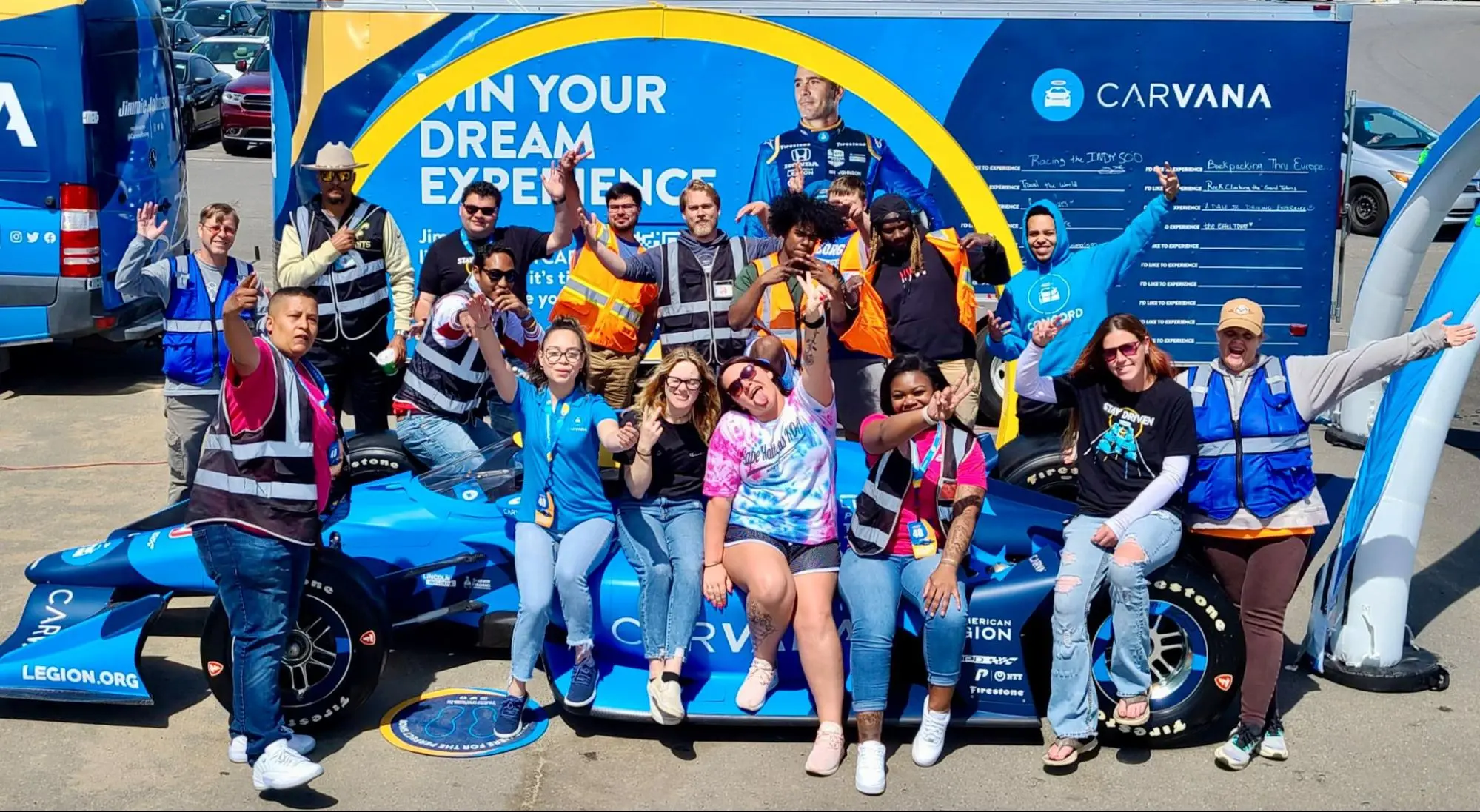
Whether it’s a branded mobile tour that brings your product into neighborhoods across the country or an interactive pop-up that invites shoppers to touch, taste, and try, every campaign is built around quality engagement.
Today’s audiences care about more than just aesthetics. They’re driven by values, and our strategic planning process reflects that. We help brands connect with consumers who care about sustainability, community, transparency, and innovation. This includes:
We ensure every campaign feels grounded, relevant, and worth someone’s time, not just another sales pitch dressed in branded signage.
From ideation to event execution, Attack! offers end-to-end support. Our services include:
Our experienced account teams oversee logistics, quality control, and contingency planning, ensuring smooth operations, even in unpredictable real-world environments.
What sets Attack! apart is not just our creativity or scale, but our understanding that experience is now the most credible form for consumer trust in marketing. We help brands meet their audience where they are, with activations built to spark curiosity, deliver value, and drive word-of-mouth.
While others are still figuring out how to respond to deinfluencing, we’ve been building campaigns that thrive in this new reality all along. Because when filtered hype loses its power, real-world experience becomes your brand’s most trusted spokesperson, and that’s our domain.
A plant-based skincare company recently shifted its launch strategy away from paid creators and leaned into mobile sampling. Instead of filtered product shots, it offered consumers samples handed out at fitness festivals, yoga events, and farmers markets, paired with on-site feedback stations to collect authentic reactions.
Meanwhile, a sustainable fashion brand took its collection on the road with a mobile try-on tour. Instead of relying on stylized influencer reels, they let people touch the fabrics, try pieces on, and snap their own content in branded pop-up mirrors, turning everyday shoppers into storytellers.
And many other brands are rethinking their entire go-to-market playbook, opting for localized brand experiences over traditional partnerships. By replacing influencer spend with interactive demos and street-level events, they’re seeing a rise in word-of-mouth, organic content, and trust built the ‘’old-fashioned’’ way: through proof, not promotion.
The deinfluencing trend isn’t anti-marketing – it’s pro-authenticity. And nothing is more authentic than a product experienced in real life. Experiential marketing answers this shift with presence over persuasion. It invites consumers to try, touch, test, and ultimately trust. Brands that once relied on curated content are now turning to curated experiences and seeing better results.
At Attack! Marketing, we’ve been building trust through field marketing and mobile brand experiences for over 20 years. We don’t chase trends – we build strategies that align with what today’s buyers really want: transparency, tangibility, and meaningful interaction.
If you’re ready to step beyond the feed and into the real world, we’re here to help. Whether it’s mobile sampling, retail demos, or full-scale mobile tours, our team is built to turn attention into action.
Let’s build something people remember. Start your next campaign with Attack! Marketing.
Consumer fatigue, scripted content, and declining trust have all made traditional influencer strategies less effective. Today’s buyers are more skeptical – they want to see, try, and judge for themselves.
Not at all. While some activations span entire tours or multi-city campaigns, experiential marketing can be as focused as a single in-store demo or pop-up. The key is tailoring the experience to your brand goals, audience, and budget – something a strategic partner like Attack! helps make it seamless.
Trust comes from real engagement. When consumers can interact with your product directly, they form their own opinions. That level of transparency and hands-on experience is hard to replicate through digital channels alone.
Mobile tours bring your brand to your audience, literally. They allow for localized engagement, personalized interactions, and immersive environments that meet consumers at the site. It's a high-touch approach that delivers authenticity at scale.
Attack! Marketing specializes in campaigns that prioritize real-life engagement over empty buzz. From mobile sampling programs to fully branded tours, we help brands show up with purpose – earning trust, creating shareable moments, and leaving a lasting impression in an era where authenticity matters more than ever.
.png)
.png)
.png)
Christian Jurinka serves as the CEO and oversees the business development and strategic vision for the agency. Attack! connects brands with consumers, driving loyalty, purchase and velocity through comprehensive, ROI-focused field marketing services.
Hire ChristianTrending Articles
What the 'Deinfluencing' Trend Means for Brand Trust and Why Experiential Marketing Wins in 2025

