
Want shoppers to try, trust, and buy your brand? You can’t sample a product through a screen, though. In-store demos do what digital can’t. Discover how smart brands are using retail and in-store demos to boost sales, spark loyalty, and scale nationally, powered by Attack!'s proven formula for retail success.

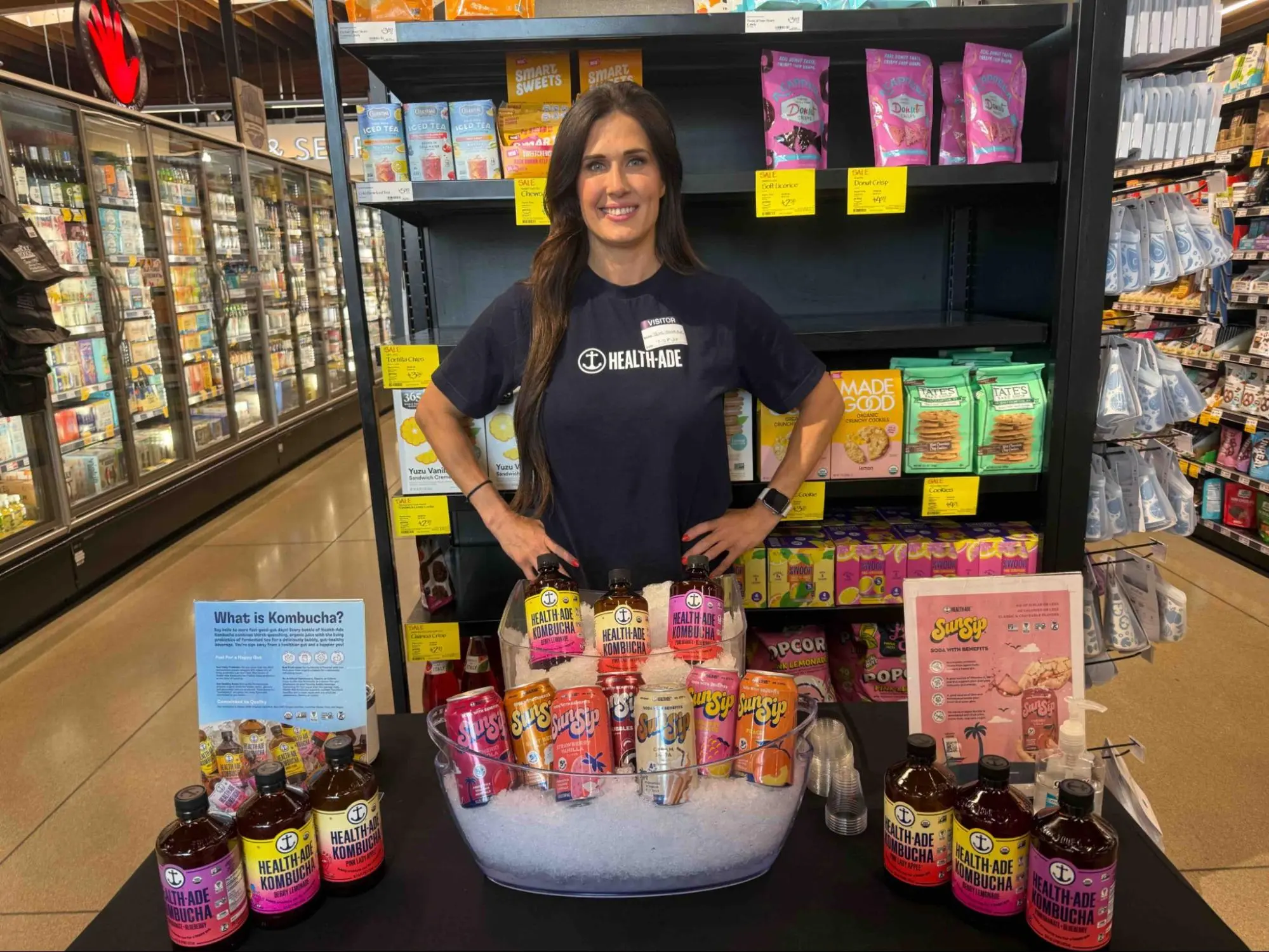
There’s a reason some of the most effective marketing still happens in the aisle, not online. When customers can see, taste, or interact with a product in person, right at the point of decision, they’re far more likely to act. That real-world moment creates clarity, trust, and a connection that digital channels often struggle to replicate.
And the data backs it up. Products featured in retail and in-store demos often sell over 40% better compared to non-sampled items. Nearly 80% of shoppers say they’ve made a purchase simply because they were able to try the product first. That kind of impact isn’t a fluke, but the power of experience meeting intent.
At Attack Marketing, we’ve spent years helping brands tap into that potential through well-executed, retail-optimized demo campaigns. Our approach goes beyond placing staff in stores. We design demo programs that are purpose-built, from scheduling and staffing to brand alignment and compliance, so that every campaign is ready to perform in the real world.
Keep reading to find out what it really takes to run successful in-store demos – from the early planning stages to execution, measurement, and national rollout.
Successful retail in-store demos start long before anyone sets foot in a store. You need a well-developed strategy that turns a sample into a sale and a moment into a brand impression. Here's how to plan in-store demos that perform.
Every campaign should be anchored by purpose. Before booking stores or staffing reps, ask: What does success look like for my brand?
Common goals include:
Clarifying these goals early will help you shape every decision that follows, from where to activate to how to measure ROI.
Align your in-store demo marketing program with retailers that fit your product, audience, and growth stage.
Consider:
The best partnerships are strategic – don’t look just for those that are available. Pick stores where your product has room to win.
Yes, the retailer is very important, but the shoppers walking the aisles are essential. A demo that resonates in one store might fall flat in another if the timing, tone, or messaging is off.
That said, ensure to find answers to the following questions:
The more you know about your audience’s mindset and behavior, the better you can tailor the experience, from your talking points to your table placement.
Timing, coordination, and store-level relationships are what turn a solid plan into a high-performing activation. Here's how to make the most of your retail demo windows.
The best time for your retail product demonstrations is when the right audience is already in the store. That usually means leaning into high-traffic frames, but those can vary depending on the retailer, region, and shopper habits. Here’s what to consider:
Focusing your demos during peak foot traffic is key to smart retail foot traffic marketing. Make sure you reach shoppers when they’re most open to discovering and buying.
Each retailer operates on its own rhythm. Some require weeks of lead time, while others necessitate tight coordination around resets, promotions, or blackout dates. Flexibility is good, but alignment is better. The key things to take care of are:
Well-planned product demo scheduling ensures your activation fits seamlessly into retail operations. The smoother you integrate into a retailer’s ecosystem, the more welcome your activation will be, and the more likely it is to succeed.
Even the most perfectly timed demo needs store-level buy-in. That starts with proactive communication and mutual respect. Reps should introduce themselves, confirm the setup space, and coordinate any support needed from the point-of-sale (POS) team.
This collaborative approach with store staff builds goodwill, earns better demo spots, and helps with converting shoppers in-store.
Getting the right people in front of shoppers is crucial to turning live product sampling into sales. The quality of your demo team directly affects how well your product connects with customers, how smoothly the event runs, and ultimately, the ROI. Staffing requires a strategic approach focused on skill, knowledge, and alignment with your brand’s goals.
Effective demo representatives are a unique mix of personality, expertise, and adaptability. Whether you’re working with a demo staffing agency or recruiting and selecting your team by yourself, prioritize:
Recruiting well is only half the battle. A good brand ambassador program should include comprehensive training that ensures the message stays consistent and professional across locations. Key training components include:
Our staffing philosophy is built on matching the right staff to the right brand. We use targeted recruitment strategies to identify candidates whose profiles fit the product and customer base. Our training programs are adapted to each client and include:
By focusing on talent fit and thorough preparation, we ensure your demo team represents your brand effectively, maximizes shopper engagement, and drives sales consistently.
The environment where your demo takes place shapes how shoppers perceive your product and brand. Thoughtful design goes beyond aesthetics. It guides customer flow, highlights key product features, and creates lasting impressions that encourage customers to make a purchase. Every element, from layout to interactive touches, plays a role in maximizing engagement and conversion.
How your demo space is arranged impacts shopper behavior more than many realize. These are some must-haves for effective shopper engagement marketing:
The way you introduce your product influences whether shoppers pause and engage. Focus on multisensory experiences:
Incorporating interactive features can deepen shopper involvement and provide valuable data for post-demo analysis:
Seamless in-store execution doesn’t happen without alignment. Every demo must operate within the framework of retailer policies, brand standards, and local regulations. Ignoring any of these can derail your activation, no matter how great your product or team is. True success comes from integrating with the store ecosystem while protecting the integrity of your brand.
Each retailer has its own specific operational protocols, which can differ widely. To avoid last-minute issues or delays, ensure you fully understand:
Being proactive about compliance helps you avoid disruptions and positions your brand as a reliable partner.
Effective demos rely on good communication. Store managers and staff are very important for smooth product sampling in stores and a strong shopper experience. Here’s how to approach the relationship:
Stores that feel respected are far more likely to welcome future activations.
Your demo is a reflection of both your brand and the retailer. Every table, sign, and interaction should meet shared expectations. That requires:
Beyond just following rules, a solid retail integration requires you to build trust through consistency and professionalism. That foundation paves the way for long-term retail partnerships and scalable demo programs.
Even the most well-executed demo won’t mean as much as it should if you can’t measure its impact. To scale smart and prove value, to both internal stakeholders and retail partners, you need to track more than just foot traffic or samples handed out. A strong measurement strategy connects in-store activity to tangible business outcomes.
Sales lift is often the clearest indicator of success, but looking only at same-day numbers can miss the full impact. A well-run demo can drive sustained velocity for days or even weeks after the event.
Sales data grounds your program in business impact and helps justify future investment.
Conversions are one part of the picture, while engagement is another. Demos are also a branding play, and strong shopper interaction signals future purchase potential.
Tools like short rep surveys or real-time digital check-ins can help you track these efficiently.
In marketing for CPG brands and emerging categories, demos are also a chance to build longer-term relationships.
In-person moments can spark digital reach, especially when the experience is unexpected or visually engaging.
Combining physical presence with digital amplification increases ROI beyond the demo floor. When you know what to measure and why, it becomes easier to refine your strategy, report results, and scale effectively.
Turning a successful local demo into a nationwide initiative requires more than simply duplicating what worked in one store. It demands a strategy built around consistency, adaptability, and infrastructure that can handle scale without losing quality. Here’s how to approach the shift.
Before you scale, assess whether your foundational elements are strong enough to support broader rollout:
If the answer is yes, you’re in a position to grow.
Different regions, retailers, and shopper demographics call for subtle adjustments, without breaking your core formula.
Scaling activations is where Attack! thrives, not just because of size, but because of how we combine infrastructure with strategic thinking:
Attack! doesn’t just replicate programs, but we refine and optimize each layer of execution to perform in any market.
When it comes to in-store demos, we don’t just show up – we show results. As a dedicated experiential marketing agency, we’ve spent over two decades perfecting a model that blends precision execution with scalable strategy. Our partners partner with us for field marketing services because we make every piece of the puzzle work seamlessly.
We handle every stage of the process, from initial strategy to real-time reporting, so you don’t have to juggle multiple vendors or worry about execution gaps.
When better-for-you snack brand Bobo’s needed a national partner that provides grocery store demo services across the U.S., they turned to Attack!. We activated over 1,000 in-store demos, backed by a custom-built reporting portal for real-time visibility. The result was amazing. An 18.5% lift in per-store sales, along with smarter, data-driven optimization across regions.
We don’t just execute – we elevate. Because to us, it’s not just another demo. It’s your brand’s moment in the spotlight. And we make sure it counts!
In-store demos aren’t just another marketing tactic – they’re where your brand can become personal. They create the kind of trust, familiarity, and loyalty that no screen or billboard can replicate. Whether it’s a quick taste that sparks a lasting impression or a meaningful conversation that deepens consumer connection, these moments drive real decisions at the shelf.
At Attack!, we don’t just run activations – we engineer them. From strategy to staffing, logistics to live data reporting, we’ve built retail demo programs that scale nationally and deliver measurable impact, store after store. Our work has shown what’s possible when sampling is done right: consistent sales lifts, real-time optimization, and shopper experiences that stick.
If you're thinking ahead to peak retail seasons, now’s the time to plan. Because the difference between being on the shelf and being in the cart often comes down to one thing: presence.
Let’s bring your brand to life – one store, and one customer, at a time. Contact us now!
It’s best to begin planning 6–8 weeks ahead of your target start date, especially during busy seasons. This gives time to align on strategy, secure retail approvals, custom-match field teams, and build any tech or reporting tools needed for launch.
Absolutely. We’ve seen consistent per-store sales lifts of 15–20% during demo campaigns, and often sustained momentum afterward. When done right, demos influence purchasing behavior beyond the day of activation.
We’ve supported national rollouts across natural grocers, big box retailers, and specialty chains. Our staffing and training model allows us to tailor the approach based on the store type, regional preferences, and shopper profile.
We track shopper engagement, feedback, lead captures, social sharing, and team performance in real-time. Our custom dashboards give clients visibility into what’s working, by store, rep, or region.
Yes, we’re not just a staffing agency. From campaign ideation to event flow, signage, sampling methods, and even incentive structure, we ensure every element supports your retail goals.
.png)
.png)
.png)
Christian Jurinka serves as the CEO and oversees the business development and strategic vision for the agency. Attack! connects brands with consumers, driving loyalty, purchase and velocity through comprehensive, ROI-focused field marketing services.
Hire ChristianTrending Articles
The Ultimate Guide to Successful Retail and In-Store Demos in 2025

