
Personalized mobile tours are reshaping how brands connect with consumers, on their terms, in their communities. Let’s explore how tailored experiences, data-driven strategies, and hyper-local activations drive deeper engagement. Learn how Attack! Marketing helps brands scale marketing personalization without losing impact, turning every stop into a moment that truly resonates.

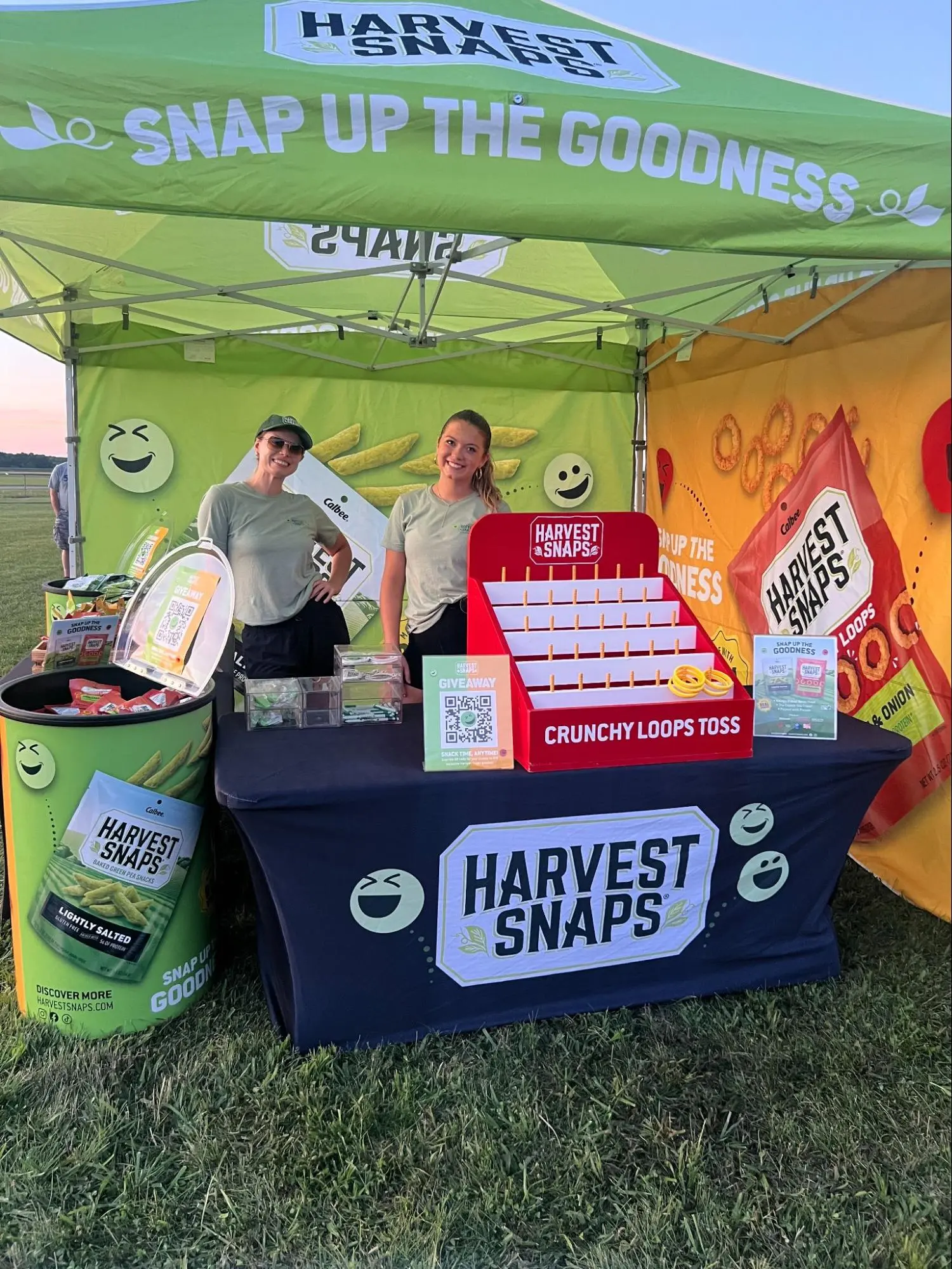
What if your marketing tour could speak directly to your audience, not just at them? Because let’s face it: mass marketing still reaches people, but it rarely moves them. Today’s consumers want more than broad messaging or clever copy. They want brands to feel relevant to who they are, where they live, and what matters to them. That’s why marketing personalization becomes the foundation of high-impact field marketing.
Customized mobile tours, pop-up events, and regional activations let brands create real-world moments that reflect their audience's values, preferences, and lifestyles. When done right, each stop on a tour feels intentional. Not just present, but personal.
How can you create such experiential brand activations for your own brand, you ask? Let’s break down exactly how this can be done with strategic and tailored field marketing, and why this approach outperforms one-size-fits-all campaigns. Keep reading to find out how we at Attack! build location-aware, audience-specific brand tours that deliver real results. If you’re ready to stop blending in and start connecting, this is for you.
Personalization used to mean dropping a name into an email subject line or showing a retargeting ad based on browsing history. Those tactics still have their place, but they’re table stakes now. Creating a personalized brand experience now means going deeper. It’s not about automated tweaks, but about intentional activations that reflect who your audience is, where they are, and what drives their decisions.
Nowadays, personalization in marketing means designing consumer touchpoints that feel like they were made for the individual standing in front of you, even when you’re engaging with thousands. And that’s where field marketing services offer a massive advantage.
Think about it this way: a digital ad can deliver a message. But a well-designed brand activation, such as a mobile tour stop, a pop-up lounge, or an immersive street-level demo, can deliver a valuable moment. One that’s shaped by the culture, habits, and preferences of the people in that specific place.
Whether it’s incorporating local flavor, reflecting regional values, or responding to real-time emotional intent and purchase behavior, authentic brand marketing means building something that feels right for that exact audience. It’s not guesswork, but a strategy. And it’s what makes the difference between a brand that’s seen and a brand that’s remembered.
At its foundation, modern personalization is about relevance. Not just demographic relevance, but emotional and cultural relevance too. It’s about understanding how people experience your brand in different contexts and meeting them there with intention.
Personalization has shifted from a marketing advantage to a main consumer expectation. And if you don’t deliver, you can be easily replaced. Let’s explore some of the factors contributing to this change.
The fundamental change in consumer behavior comes down to one thing: people are tired of being treated like a piece of data. They want to be considered as individuals, not just as segments in a demographic bucket. That shift is largely driven by their experience with digital platforms like Netflix, Spotify, or Amazon, which shape user experiences around individual preferences.
This mindset carries over into situations when people engage with brands in the real world. The expectation even intensifies. When a brand enters someone’s physical space with live product demos, pop-up marketing campaigns, or product sampling events, the interactions become more personal. So, if that experience doesn’t seem tailored, it easily feels intrusive or tone-deaf.
In fact, 96% of consumers say they're more likely to buy from brands that personalize their messaging, while 81% actively tune out communications they deem irrelevant. So it’s not just about reach anymore – it’s all about resonance.
Marketing campaigns that rely on generic messaging or one-size-fits-all creative often fall flat because they lack context. People’s lives are shaped by geography, culture, and community. A mobile brand tour that feels exciting in downtown Los Angeles might feel completely out of place in a smaller city like Des Moines. Field marketing that doesn't consider these differences risks creating brand moments that feel manufactured rather than meaningful.
Actually, this is where many brands lose their audience. Not because the product is weak or the creative is lacking polish, but because there’s no authentic consumer engagement since the message doesn’t reflect who the audience is or what matters to them in their world.
Personalization works because it matches the way people naturally absorb and interpret information. Human brains are wired to filter out noise and focus on relevance. When messaging reflects your values, your habits, or even just your environment, your brain flags it as worth paying attention to.
That’s one reason 71% of consumers now expect personalized experiences, and 76% report frustration when they don’t get them. It’s not about surprise and delight anymore, but meeting a baseline expectation. Personalization makes your message more cognitively efficient to process, which leads to stronger recall and emotional response.
Beyond catching attention, personalization creates the foundation for long-term loyalty. When people feel understood, they’re far more likely to engage and stay engaged.
When individuals sense that a brand truly understands them, their likelihood to connect and remain engaged increases significantly. Studies indicate that 80% of consumers are more inclined to buy from brands that provide tailored experiences, while 62% admit they would change brands if the interaction feels generic or disconnected. This applies across touchpoints, from product discovery to purchase and beyond.
In loyalty programs, the effect is even more concentrated. The top 10% of loyalty members, who receive the most tailored messaging, account for more than 40% of all loyalty visits and nearly 50% of loyalty spending. That’s not a coincidence – it’s the result of consistently delivering experiences that feel worth coming back for.
The rise in demand is often cultural, but it’s also technological. Consumers follow the trending topics and know what brands are capable of, so they expect that capability to be used in a way that serves them. AI, CRM tools, geolocation, and real-time behavior tracking aren’t novelties anymore. They're now standard practice. So when brands fail to use them, it feels lazy, not charmingly old school.
And as we move further into 2025, with anti-influencer marketing on the rise, the conversation isn’t even just about personalization. Now we’re talking about hyper-personalization. This means tailoring not just to a person’s profile, but to their current moment. That might mean location-specific offers, content that matches the cultural context of a city, or experiences that adapt in real time based on weather, local events, or even mood signals.
Personalization in a mobile brand experience is about creating place and people-specific interactions that feel like they were crafted for the community you’re entering, not repurposed from the last stop. That level of intentionality requires strategic planning across several layers of the tour experience.
Every city has its own personality, its own rhythms, values, and cultural references. A mobile tour that treats every market the same overlooks the nuances that turn a brand interaction into a local moment.
For instance, a health and wellness brand visiting Denver might emphasize outdoor fitness and high-altitude hydration, while that same brand in New Orleans might focus on recovery and balance during a week of major events or festivals. The difference isn’t just in messaging, but the entire setup: from the type of staff you hire to the kinds of samples you distribute and the tone you take in your signage.
Tailoring your activation based on geography helps you tap into local pride, avoid cultural missteps, and show that your brand actually pays attention to where it’s showing up.
Segmenting audiences in a digital campaign is the bread and butter of most marketers. But on the ground, it becomes more nuanced, and with that, it can be more impactful. Audience cues are immediate and unfiltered in physical spaces. You see who shows up, you notice who lingers, who asks questions, who brings their family, and who walks away.
This opens up opportunities for a smart post-influencer marketing strategy where you can tailor the experience on the fly. A tour stop near a college campus might focus on social content creation and trial-size giveaways that fit a student lifestyle. A suburban stop catering to families could lean into educational components, hands-on demos, and a staff trained to engage with both kids and parents.
This is how you build consumer trust in marketing. The key is being prepared with modular assets, flexible programming, and staff trained to read and respond to those subtle shifts in crowd makeup.
Personalized branding goes far beyond changing the city’s name in your signage. It’s about visually and verbally aligning your brand with what matters locally, whether that’s cultural traditions, community values, or even regional humor.
If your mobile tour rolls through a city known for sustainability, you need to lean into sustainable brand marketing. Your buildout should reflect your dedication through low-waste packaging, eco-conscious messaging, and staff who can speak to those initiatives.
In cities with strong artistic identities, like Atlanta or Austin, incorporating work from local designers or musicians is a nice touch, and it makes your brand part of the creative conversation happening there.
These might seem like surface-level details to an untrained eye, but to your audience, they show that your brand is capable of listening before speaking. And in field marketing, that difference is tangible.
Today’s audiences are more active than ever, and they seek to be engaged within the experience itself. That’s why smart tours are adding interactive components. This could be anything from AR filters that reflect local landmarks to real-time product customization, to short surveys that feed directly into CRM systems and offer value in return, such as personalized recommendations or instant rewards.
The best interactions serve dual purposes: they entertain and engage the audience while generating insights you can actually use. And because they’re opt-in by nature, they foster a sense of participation, instead of interruption.
One element that’s often overlooked in field activations is timing. Not just the time of day, but where your tour stop sits with cultural context, seasonal moments, or current events.
A tour stop that’s built to feel festive might work brilliantly in July in San Diego, but could fall flat in November in Minneapolis. A pop-up celebrating music culture might make sense during SXSW in Austin, but feel out of place at a quiet neighborhood farmers’ market.
Planning your stops and shaping your messaging around local calendars, cultural rhythms, and even local sports or school events gives your activation a greater chance of landing well.
Marketing personalization is a deliberate tactic that shapes how audiences experience your brand in real time. When you execute it well, it transforms passive impressions into fruitful interactions. Let’s take a look at three field-tested strategies that demonstrate how personalization can be embedded into mobile tours to meet audiences where they are, literally and culturally.
A national food brand used its mobile tour to deliver relevant samples. At each stop, the brand partnered with regional chefs to serve locally inspired recipes using its core product. In the South, this meant bold, spice-forward dishes rooted in tradition. On the West Coast, the focus shifted to lighter, health-conscious fare.
This approach wasn’t just about taste and flavor, but more about showing cultural fluency and respect for local preferences. Attendees felt like participants in something made for their community.
A major tech brand took audience segmentation seriously by customizing product demos to fit the lifestyles of different user groups. On college campuses, the tour emphasized collaborative tools, cloud storage for assignments, and lightweight portability. In urban business districts, the same product was introduced through the lens of productivity, cybersecurity, and device integration.
Beyond showcasing features, the brand showed its relevance by aligning the message with real-world use cases. The result was a stronger emotional and functional connection between the product and its users.
A mobile “style lounge” activation by a fashion label used marketing without influencers and adapted its entire concept city by city. From music playlists to visual displays, every element was curated to reflect local aesthetics and weather patterns.
In Miami, guests were welcomed into a vibrant, breezy space focused on resortwear and bold accessories. In Seattle, the focus shifted toward smart layering, rain-ready fabrics, and cooler color palettes. These choices communicated that the brand understood its audience on a cultural and environmental level, which strengthened trust and interest across diverse markets.
Personalization is the backbone of engagement in mobile experiential marketing. At Attack!, that philosophy is built into every stage of the process. Whether a campaign is hitting five cities or fifty, we ensure that each stop reflects local culture, audience behaviors, and market realities.
Our approach starts with a strategic framework based on our core service terms: aligning brand objectives with the right message, in the right environment, for the right consumer. From the earliest planning stages, our creative and strategy teams collaborate on location-specific concepts, activation schematics, and branded experiences tailored to resonate with distinct demographics. Our foundation rests on more than 20 years of practice and in-depth knowledge of regional nuance.
What enables us to deliver personalization at scale is our full-service infrastructure. As a seasoned experiential marketing agency, we handle everything in-house, from ideation and tour routing to fabrication, staffing, and inventory. That means creative development, vehicle customization, and promotional assets are aligned under one roof. Our on-site field staff is trained and scheduled with precision, ensuring consistency across activations while maintaining the flexibility to adapt to local needs.
We don’t just deliver experiences – we deliver the right experience to the right people. That includes tailoring content, merchandise, and engagement tactics based on geography, lifestyle, and behavior. A campaign in Austin will look and feel different from one in Minneapolis, because that’s what genuine connection demands.
With detailed reporting dashboards, live event data, and KPI tracking, our clients are not just seeing performance, but understanding impact. Attack! Marketing doesn't just scale logistics. We scale relevance. And that’s the line between just appearing and truly engaging.
Today’s audiences don’t respond to broad strokes – they expect experiences that reflect who they are and where they live. Personalization is much more engaging, it drives stronger ROI, deeper brand affinity, and lasting consumer loyalty. Personalized brand transparency marketing is today’s standard.
Attack! Marketing is here to do the heavy lifting for you. From creative development to field execution, we help brands design mobile experiences that speak directly to their audience, city by city, block by block. Whether it’s a national tour, a regional pop-up, or a hyper-local activation, our team brings strategy, precision, and creativity to every detail.
Are you ready to leave behind generic messaging and start creating campaigns built around real people in real places? Let’s create something they’ll never forget, because it was built just for them. Reach out to Attack! Marketing to start the conversation.
At Attack! Marketing, we build regional customization into the planning process from day one. While the core brand identity remains consistent, we localize elements like messaging, visuals, cultural cues, and even product features based on the specific market.
Absolutely. Whether you’re a boutique label looking to engage a very specific demographic or a national brand trying to create more meaningful local touchpoints, mobile tours can scale accordingly. We design each campaign with audience segmentation in mind, tailoring everything from the activation design to the staff training, so it resonates no matter the market size.
Among the toughest aspects is maintaining personalization at scale. It’s easy to be relevant in one city; the real test is doing it seamlessly across 10, 20, or 50 markets. Attack! solves this through robust logistics, in-house training teams, and detailed planning, from route strategy to hyper-local creative adaptations. Every element is tracked and optimized in real time to maintain both personalization and consistency.
Data drives everything, from selecting tour stops based on audience density to adjusting the experience on-site through real-time feedback. We use tools like predictive analytics, digital surveys, and post-event performance dashboards to make informed decisions and evolve the campaign as it unfolds.
Not necessarily. Personalization doesn’t always mean more cost – it means smarter allocation. Instead of investing in blanket campaigns that underperform in certain areas, personalized activations allow brands to focus resources where they’ll make the biggest impact. Attack! helps brands maximize every dollar by aligning strategy with measurable outcomes, not just visibility.
.png)
.png)
.png)
Christian Jurinka serves as the CEO and oversees the business development and strategic vision for the agency. Attack! connects brands with consumers, driving loyalty, purchase and velocity through comprehensive, ROI-focused field marketing services.
Hire ChristianTrending Articles
The Power of Personalization: How Tailored Brand Tours Create Unforgettable Consumer Connections

